
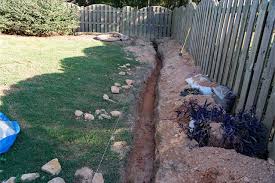
Proper drainage isn’t just about diverting rainwater—it’s about safeguarding homes, foundations, and landscape investments. In Clarence-Rockland, with its varied soils and seasonal rainfall, mastering water management starts with smart excavation. Here’s how Gallant Services ensures your drainage system is built to last.
1. The Costly Danger of Water Near Foundations
Homeowners often underestimate the danger of water pooling near their foundation. Plumbing experts warn that poor runoff control can act like “slow poison,” leading to foundation cracks, sticking doors, drywall gaps, or worse. Repairs can cost thousands—sometimes over $20,000 if left unchecked.Homes and Gardens
2. Grading: The Basic yet Vital First Step
The simplest solution? Re-grade the soil. A slope of 6 inches over the first 10 feet is recommended to direct water away from the foundation. Ensure downspouts discharge 5 to 10 feet away to prevent pooling.Homes and GardensHD FoundationsJournal of Light Construction
3. French Drains: A Time-Tested Subsurface Fix
When surface grading isn’t enough, a French drain offers reliable relief. Built with a gravel-filled trench and perforated pipe, it intercepts both surface and groundwater and redirects it safely.Ideal HomeWikipediaHD Foundations
For homeowners near property lines, installing a French drain can also resolve shared runoff issues.The Spruce
4. Strategic Excavation Shapes Effective Drainage
Excavation does more than just dig—it shapes land to manage water flow. Techniques include:
- Swales: Shallow, grassy channels to move water across the yard gently.
- Trench Drain Systems: Perfect for capturing water along driveways or patios.
- Retention or Detention Basins: Large excavated areas that hold stormwater temporarily (detention) or permanently (retention), easing pressure on built structures.Spelling Bee Hinter
5. Managing Soil and Water Together
Managing water isn’t just about trenches—it’s about the context:
- Avoid soil compaction during excavation and preserve topsoil separately for replanting.Live to Plant
- Consider soil type; clay retains water while sandy soil drains faster—design accordingly.Spelling Bee Hintercentexexcavation.com
- Use erosion control, such as mulch or seed, to protect exposed earth after excavation.Live to Plant
6. Code and Best Practices to Follow
Proper drainage systems are not just smart—they’re often legally required. The International Residential Code (IRC) mandates drains around foundation walls to prevent groundwater pressure. These systems must include gravel, filter fabric, and perforated pipes installed just below the footing.nachi.orgJournal of Light Construction
How Gallant Services Tackles Excavation & Drainage
At Gallant Services, we approach drainage with a local, precise mindset:
- Site Assessment – Evaluate soil, slope, and drainage history.
- Smart Excavation – Grade land, dig swales, trenches, or systems as needed.
- Drain Installation – Build French drains, trench systems, or basins where required.
- Soil Preservation – Retain topsoil and avoid compaction near root zones.
- Erosion Control & Final Grade – Mulch, seed, and stabilize post-excavation.
- Ongoing Maintenance Advice – Keep your drainage system efficient season after season.
Before & After: What Changes With Professional Drainage
| Before | After (with Gallant Services) |
|---|---|
| Water pooling near foundation | Re-graded, stable terrain and properly installed French drain |
| Eroding garden or shifting walkways | Swales or trench drains redirect water, preserving structures |
| High soil moisture and foundation risk | Optimized drainage systems protect foundation & landscape |
Final Thought
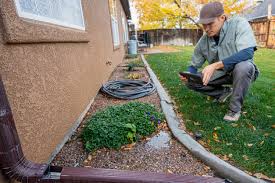
Effective drainage starts under the ground. With expert excavation and integrated water management, your home becomes resilient—less prone to flooding, erosion, or structural damage.
Protect your property with peace of mind. Contact Gallant Services today for a free drainage assessment, and secure your home with excavation solutions designed for Clarence-Rockland’s climate and terrain.