
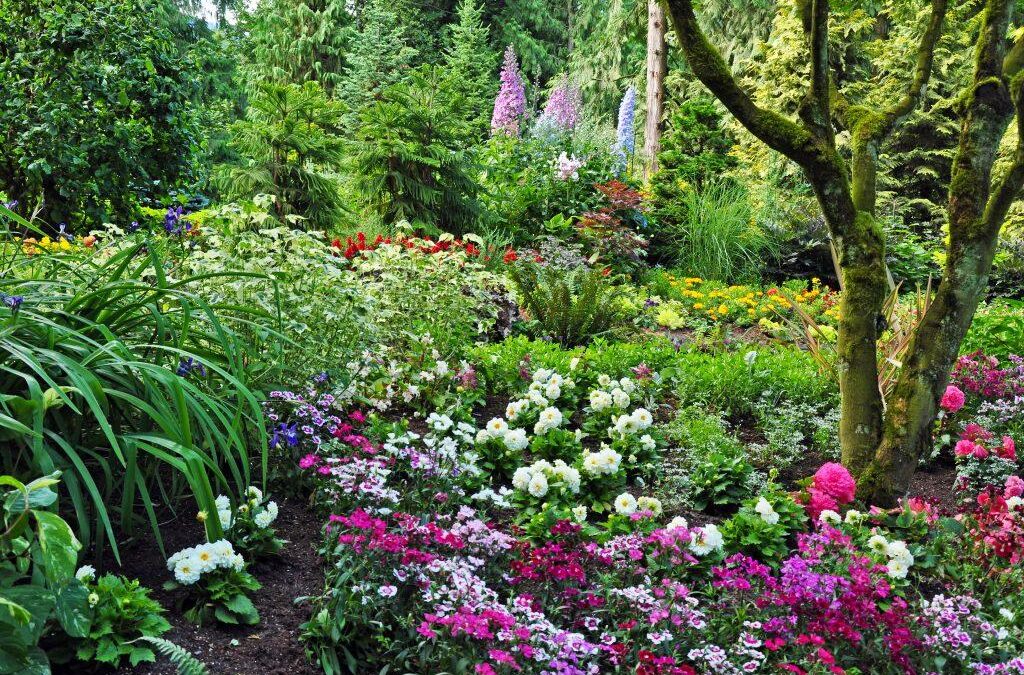
Imagine stepping into your backyard and feeling instantly immersed in a peaceful, woodland retreat. A micro-forest, or garden scaled like a tiny woodland, is more than ornamentation; it’s a living, layered ecosystem that nurtures wildlife, soothes the mind, and thrives with minimal upkeep. Here’s how you can design your own woodland haven, right at home.
What Is a Micro-Forest Garden?
A micro-forest mimics a natural woodland ecosystem, featuring layered plantings, varied textures, and a rich understory beneath a leafy canopy. Popularized by permaculture and Miyawaki techniques, these gardens support biodiversity, rejuvenate soil, provide habitat, and offer a serene place for quiet enjoyment.
Designing Your Woodland Nook: Step by Step
1. Begin with the Canopy
Choose light or high-canopy trees so that lower plants receive filtered light, not shade deprivation. Use a mix of native deciduous trees renowned for seasonal interest, such as birch, crabapple, hawthorn, maple, or cherry. Cluster planting—placing trees in irregular, natural-group patterns, creates intriguing trunk formation and an authentic forest feel.Ideal Home
2. Add the Understorey
Under the canopy, include smaller trees and shrubs to add depth. Options like dogwood, serviceberry, redbud, oakleaf hydrangea, and viburnum bring spring flowers, summer berries, fall color, and winter silhouette.
3. Plant Dense Ground Layer
Build a thick ground layer with shade-loving perennials, ferns, and groundcovers, such as hostas, astilbe, bleeding heart, wild ginger, trilliums, and sweet woodruff. This layer suppresses weeds and enhances that woodland floor effect.Gardening Know HowThe Garden Style
4. Layer Smartly for Richness
Aim for vertical layering, tall trees, understory shrubs, and groundcover, mimicking forest ecology. This planting structure adds depth and allows light to reach each level naturally.
5. Embrace Natural Features
Leave fallen logs, mossy rocks, or meandering paths to enhance the woodsy feel. These elements create focal points and welcome wildlife.lifeandagri.comBob Vila
6. Favor Native and Wildlife-Friendly Plants
Select locally native species, they thrive best and foster ecosystem balance. Native shrubs like viburnums and dogwoods attract pollinators and birds across seasons.This Old HouseIdeal HomeReal Simple
7. Install Winding Paths
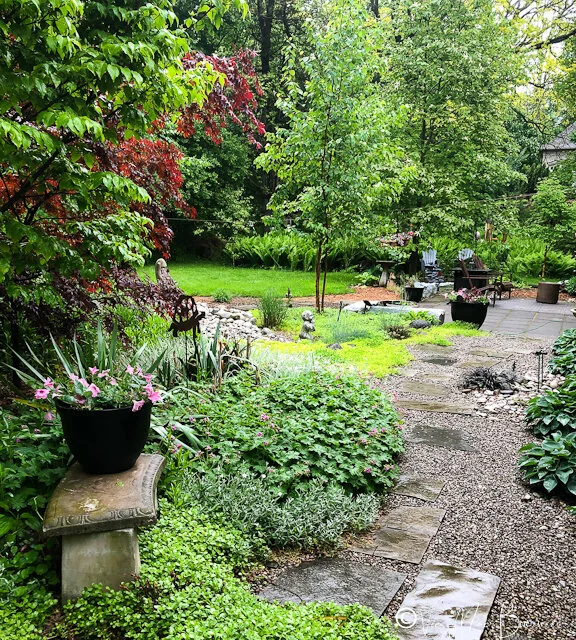
Create gentle, curved paths using mulch or stepping stones to invite exploration and sensory engagement. The curves and narrowing clearings create mystery and intimacy in the garden.
8. Focus on Seasonal Variation
Select plants with staggered bloom or visual appeal through the seasons, spring bulbs, summer shrubs, lush greenery in fall, and architectural stems or bark in winter.
9. Mulch & Let the Forest Floor Thrive
Use leaf mulch or wood chips to nourish the soil, manage moisture, and suppress weeds. Embrace natural fall leaf drop as part of maintenance and ecosystem health.
10. Allow Nature to Evolve
Woodland gardens are living ecosystems, less is more. Let self-seeding species join, prune sparingly, and enjoy the ever-evolving beauty. Low-maintenance doesn’t mean unmanaged, just gently guided.
Why a Micro-Forest Makes Sense for Your Yard
- Tranquility & Retreat: A woodland setting creates a calm, shady sanctuary for relaxation.
- Wildlife Magnet: Native flowers, berries, and understory cover invite birds, insects, and beneficial organisms.
- Low Maintenance: Natural mulching and layered plantings keep weeds down and soil enriched.
- Year-Round Beauty: With thought to seasonal dynamics, your garden remains visually rich through spring blooms, summer shades, autumn hues, and winter structure.
- Eco-Friendly Impact: Supports biodiversity and sustainable landscaping that matters locally.
How Gallant Tree Services & Yardworks Can Help
- Local Expertise: We understand Clarence-Rockland’s soil, plant hardiness, and climate idiosyncrasies.
- Smart Design: We weave native canopy, understory, and groundcover plantings into elegant yet ecological layouts.
- Professional Planting & Care: From pruning to mulching, we implement in ways that honor both design and local ecosystem health.
- Guidance for Evolution: Offering tips to keep your woodland garden flourishing, low-maintenance, and uniquely yours.
Final Thought
Building a micro-forest in your garden is more than gardening, it’s curating an ecosystem that shelters wildlife, soothes the senses, and enhances your home’s charm. With thoughtful layering, native species, and a touch of wild, you can transform ordinary yard space into a living woodland nook.
Ready to explore what woodland magic might look like in your landscape? Contact Gallant Tree Services & Yardworks for a personalized consultation—we’ll help you grow your oasis, one layer at a time.