
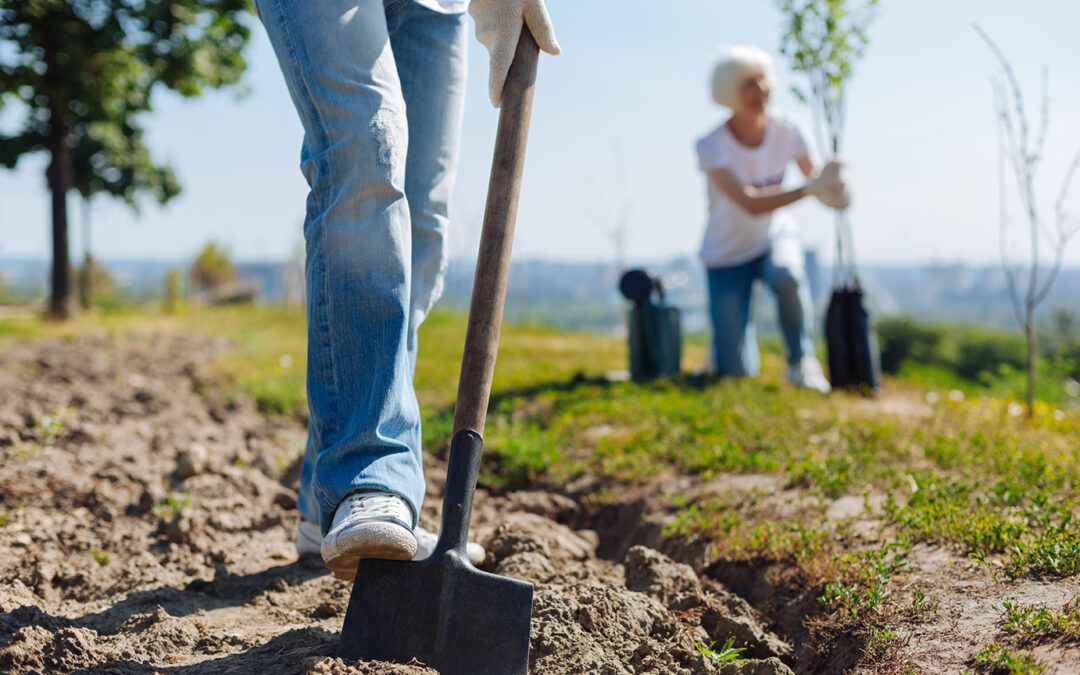
As October paints the landscape with vibrant hues, it’s the perfect time to consider planting trees that offer stunning fall colors. In this guide, we’ll explore tree species renowned for their autumnal displays and provide tips on planting them to enhance your landscape’s seasonal beauty.
🍁 1. Sugar Maple (Acer saccharum)
The Sugar Maple is celebrated for its brilliant fall foliage, ranging from bright yellow to deep red-orange. This tree not only adds color but also produces sap for maple syrup.
- Planting Tips: Prefers well-drained, slightly acidic soil and full sun to partial shade. Ensure adequate space for its expansive canopy.
🍂 2. Red Maple (Acer rubrum)
Known for its fiery red leaves in autumn, the Red Maple is a fast-growing tree that adapts well to various soil types.
- Planting Tips: Thrives in moist, acidic soils and full sun to partial shade. Ideal for wetland areas or rain gardens.
🍃 3. Quaking Aspen (Populus tremuloides)
The Quaking Aspen’s leaves shimmer in the breeze, turning golden-yellow in fall. Its smooth, pale bark adds visual interest year-round.
- Planting Tips: Prefers well-drained, moist soils and full sun. Best planted in clusters for a natural look.
🌳 4. Ginkgo (Ginkgo biloba)
The Ginkgo tree offers striking, bright golden-yellow foliage in the fall, transforming landscapes with its vibrant color.
- Planting Tips: Adaptable to various soil types, Ginkgo trees prefer full sun and are drought-tolerant once established.
🍁 5. Red Oak (Quercus rubra)
The Red Oak’s leaves transition from green to a rich red in the fall, providing a bold statement in any landscape.
- Planting Tips: Thrives in well-drained, acidic soils and full sun. Requires ample space due to its large size.
🌿 6. Sweetgum (Liquidambar styraciflua)
Sweetgum trees display star-shaped leaves that turn brilliant orange, yellow, red, or purple as the seasons change.
- Planting Tips: Prefers slightly acidic, moist, well-drained soils and full sun. Be mindful of the spiky seed pods.
🌳 7. Sassafras (Sassafras albidum)
Sassafras trees offer a mix of yellow, orange, and red leaves in the fall, adding a colorful touch to the landscape.
- Planting Tips: Prefers well-drained, acidic soils and partial shade. Known for its aromatic leaves and bark.
🌿 8. Serviceberry (Amelanchier x grandiflora ‘Autumn Brilliance’)
Serviceberry trees display vibrant red foliage in the fall, along with white spring flowers and edible berries.
- Planting Tips: Thrives in well-drained, acidic soils and full sun to partial shade. Attracts birds and pollinators.
🌳 9. Japanese Maple (Acer palmatum)
Japanese Maples are known for their delicate, finely cut leaves that turn shades of red, orange, or purple in the fall.
- Planting Tips: Prefers well-drained, slightly acidic soils and partial shade. Ideal for smaller gardens or as ornamental specimens.
🌿 10. Black Tupelo (Nyssa sylvatica)
Black Tupelo trees offer a stunning array of colors in the fall, including yellow, orange, red, and purple hues.
- Planting Tips: Thrives in moist, well-drained soils and full sun to partial shade. Attracts wildlife with its berries.
🌱 Planting Tips for Fall Color Trees
- Timing: Plant trees in early fall to allow roots to establish before winter.
- Soil Preparation: Ensure soil is well-drained and amend with organic matter if necessary.
- Watering: Water thoroughly after planting and continue to water regularly until the ground freezes.
- Mulching: Apply a 2–3 inch layer of mulch around the base to retain moisture and regulate soil temperature.
- Spacing: Allow adequate space for each tree to reach its mature size without overcrowding.
By selecting the right tree species and following proper planting practices, you can enjoy a vibrant display of fall colors in your landscape. Whether you’re looking for bold reds, golden yellows, or a mix of hues, these trees offer a spectacular show each autumn.