
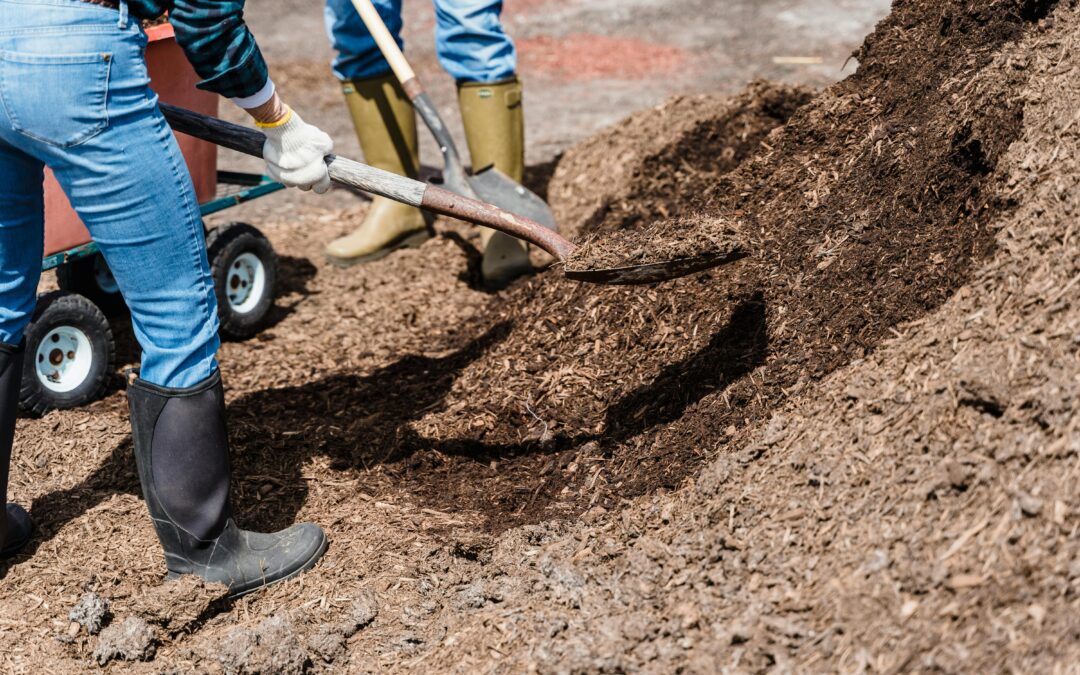
As October ushers in cooler temperatures and shorter days, it’s the ideal time to prepare your trees for the upcoming winter months. One of the most effective ways to do this is through mulching. Proper mulching not only enhances the aesthetic appeal of your landscape but also provides numerous benefits that support the health and longevity of your trees.
🍂 Why Mulch in October?
1. Moisture Retention
Mulch acts as a protective blanket over the soil, reducing evaporation and helping to maintain consistent moisture levels. This is particularly beneficial during dry autumns, ensuring that your trees have adequate water reserves as they prepare for winter dormancy.
2. Temperature Regulation
A layer of mulch insulates the soil, keeping root systems warmer during the colder months and cooler during the warmer ones. This temperature moderation helps prevent the soil from freezing and thawing, which can damage delicate roots.
3. Weed Suppression
Mulch blocks sunlight, inhibiting weed germination and growth. By reducing competition for nutrients and water, your trees can thrive without the added stress of invasive plants.
4. Soil Enrichment
Organic mulches, such as wood chips, bark, and compost, decompose over time, adding valuable nutrients back into the soil. This organic matter improves soil structure, enhances microbial activity, and promotes healthier root systems.
🛠️ Best Mulching Practices for October
1. Choose the Right Mulch
Opt for organic materials like shredded leaves, wood chips, bark, or compost. These not only provide insulation and moisture retention but also enrich the soil as they decompose.
2. Apply the Correct Depth
Spread a 2–4 inch layer of mulch around the base of your trees. Ensure the mulch extends to the tree’s drip line—the outermost edge of the canopy—where fine roots are most active. Tree Care Tips
3. Avoid Volcano Mulching
Do not pile mulch directly against the tree trunk. This practice, known as “volcano mulching,” can lead to bark rot and provide a habitat for pests. Instead, create a donut-shaped ring around the tree, keeping mulch several inches away from the trunk.
4. Maintain Mulch Throughout the Season
Check the mulch layer periodically during the fall and winter months. Fluff it up if it becomes compacted and add more if it starts to thin out. Maintaining the mulch layer ensures continued benefits for your trees.
🌱 Additional Tips for Fall Tree Care
- Watering: Deep water your trees before the ground freezes to ensure they have adequate moisture reserves.
- Pruning: Remove dead or diseased branches to prevent potential hazards during winter storms.
- Pest Control: Inspect trees for signs of pests and diseases, and take appropriate action if necessary.
- Fertilization: Avoid fertilizing in late fall, as this can stimulate new growth that may not harden off before winter.
By following these mulching best practices in October, you can help ensure that your trees remain healthy and resilient throughout the winter months. Proper mulching not only protects your trees but also contributes to a thriving and sustainable landscape.